
Royal Brighton Yacht Club


Dragon News
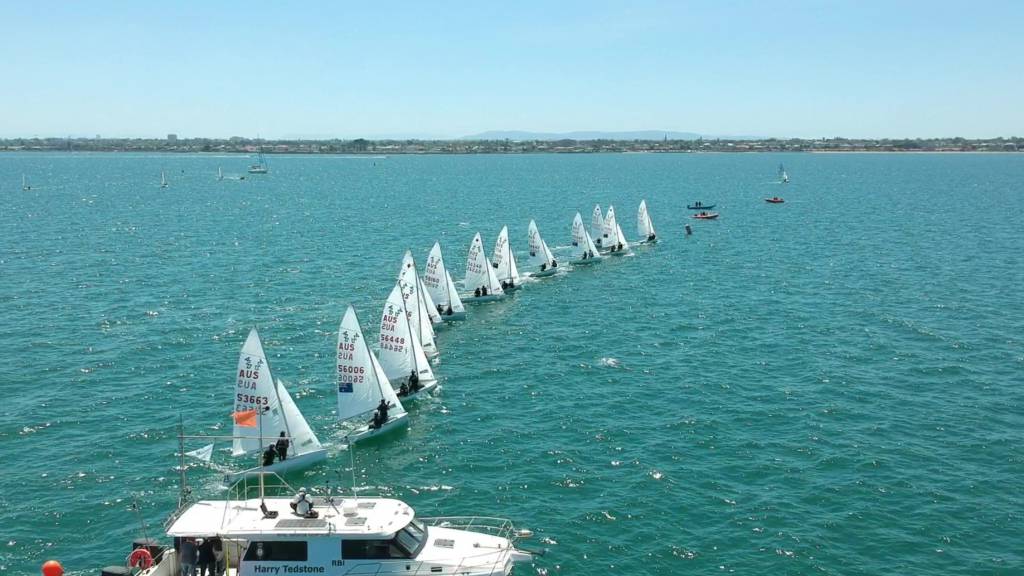
During the 10th anniversary of the Grand Prix Petit Navire, the celebrated Dragon will celebrate its 80th spring. There will be around a hundred craft heading to the bay of Douarnenez for what is now an unmissable rendezvous, making it one of the most important venues in Europe. click for more...
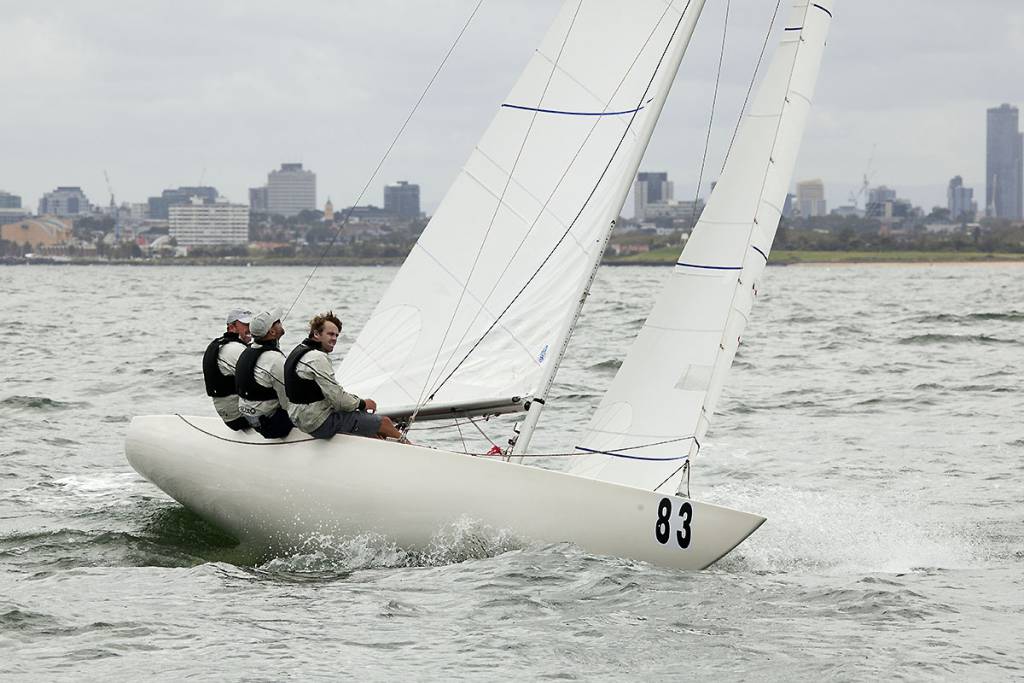
Sleek and elegant, it's now been 80 years that the Dragon has been racking up the superlatives. Younger than ever, this so called ‘royal' boat has not yet revealed all its secrets and, at the end of the racing, it continues to fuel conversation and interrogation from the skippers long after the return to port. No other international series, except the Star, a 1911 design and still an Olympic series, has traversed the century with as much success as the Dragon.
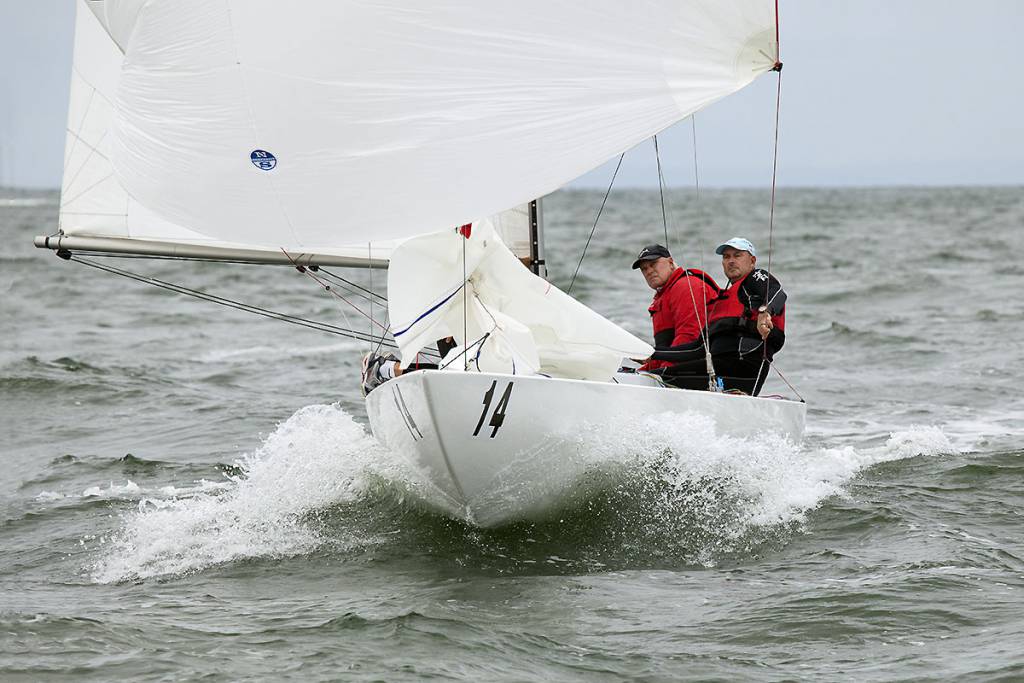
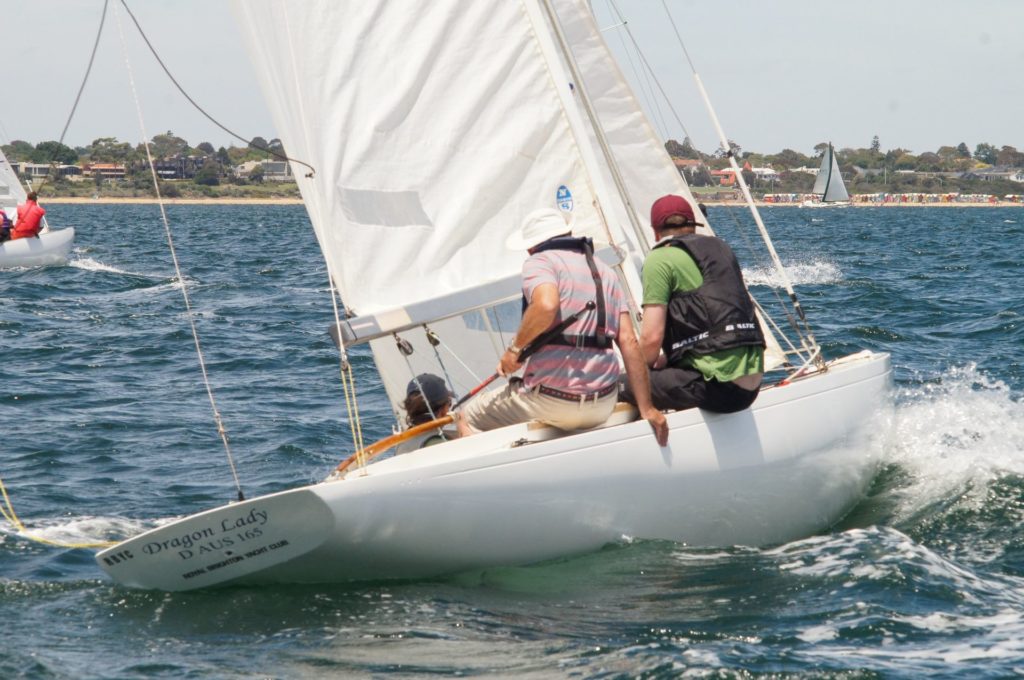
Norwegian naval architect, Johan Anker, created this little 8.90 metre marvel in 1929. Initially called a '20 m2', its original Marconi rig with a head stay and small jib was modified in 1945 to take on the form it has today. Equipped with a small coachroof and accommodating two bunks, the Dragon made its entry into France in the 1950s and it was in the English Channel that the first races took place.
The Dragon is extremely sensitive at the helm, with its narrow hull and its uncluttered deck, and it is tailor-made for sport with at least three crew. From 1948 to 1972 it became an Olympic series, which increased its prestige. It's a highly technical and complex yacht. Carrying relatively little sail area for its weight, you must never let it stop. For this, the helmsman must be extremely attentive and concentrated as regards his or her crew members. They have over 32 cleats, that is over 32 points from which to control and trim on a constant basis. The Dragon class is certainly one of the most
active and dynamic series in the world and, amongst sports dinghies, it can usually be found at the front of the fleet in events like that organised in Douarnenez, which gathers together up to 100 craft.
Multiple horizons though 'dragomania' is very much in evidence, those who are affected by it come from a myriad of horizons. We start with the nationalities since there will be 17 represented at the Grand Prix Petit Navire, with a strong following from Russia and England. Last year, the youngest participant was 14 years old, whilst the most senior of the skippers will this year be celebrating his 88th birthday. They originate from the world of Olympics, such as Luc Pillot, gold medallist in the 4.70, from global circuits with Gildas Philippe and his two world championship titles in 4.70 and Mumm 30, record holders (Bruno Peyron) and 60 foot monohull specialists (Jean Le Cam, Kito de Pavant, Bernard Stamm) and they'll be tackling the dragon ‘specialists' such as Babou Pastouraud, at the head of the fleet with the greatest track record of the series. Overseas followers includibg His Royal Highness, Henrik of Denmark, who will be heading to Douarnenez on the ‘Danebrog', the Danish crown's emblematic yacht. As such, the very ‘cream' of Dragon racers will be there with the winners of the Grand Prix Petit Navire since the event began all in attendance.
The Dragon programme is from 2nd to 4th May; the Dragons will be participating in the Coupe de Bretagne (Brittany Cup) for Dragons. On 5th May, it will be the Nautic-Champion's Race to celebrate the 10th anniversary of the Grand Prix Petit Navire. The podium winners from the previous nine Grands Prix have been invited to do battle in a single race, sponsored by the Paris Boat Show. Additional guests include winners of the Jules Verne Trophy, the Vendée Globe, world championship title holders, European champions and Olympic medallists.
May 6th to 9th will be the Grand Prix Petit Navire Dragon.
Norwegian naval architect, Johan Anker, created this little 8.90 metre marvel in 1929. Initially called a '20 m2', its original Marconi rig with a head stay and small jib was modified in 1945 to take on the form it has today. Equipped with a small coachroof and accommodating two bunks, the Dragon made its entry into France in the 1950s and it was in the English Channel that the first races took place.
The Dragon is extremely sensitive at the helm, with its narrow hull and its uncluttered deck, and it is tailor-made for sport with at least three crew. From 1948 to 1972 it became an Olympic series, which increased its prestige. It's a highly technical and complex yacht. Carrying relatively little sail area for its weight, you must never let it stop. For this, the helmsman must be extremely attentive and concentrated as regards his or her crew members. They have over 32 cleats, that is over 32 points from which to control and trim on a constant basis. The Dragon class is certainly one of the most
active and dynamic series in the world and, amongst sports dinghies, it can usually be found at the front of the fleet in events like that organised in Douarnenez, which gathers together up to 100 craft.
Multiple horizons though 'dragomania' is very much in evidence, those who are affected by it come from a myriad of horizons. We start with the nationalities since there will be 17 represented at the Grand Prix Petit Navire, with a strong following from Russia and England. Last year, the youngest participant was 14 years old, whilst the most senior of the skippers will this year be celebrating his 88th birthday. They originate from the world of Olympics, such as Luc Pillot, gold medallist in the 4.70, from global circuits with Gildas Philippe and his two world championship titles in 4.70 and Mumm 30, record holders (Bruno Peyron) and 60 foot monohull specialists (Jean Le Cam, Kito de Pavant, Bernard Stamm) and they'll be tackling the dragon ‘specialists' such as Babou Pastouraud, at the head of the fleet with the greatest track record of the series. Overseas followers includibg His Royal Highness, Henrik of Denmark, who will be heading to Douarnenez on the ‘Danebrog', the Danish crown's emblematic yacht. As such, the very ‘cream' of Dragon racers will be there with the winners of the Grand Prix Petit Navire since the event began all in attendance.
The Dragon programme is from 2nd to 4th May; the Dragons will be participating in the Coupe de Bretagne (Brittany Cup) for Dragons. On 5th May, it will be the Nautic-Champion's Race to celebrate the 10th anniversary of the Grand Prix Petit Navire. The podium winners from the previous nine Grands Prix have been invited to do battle in a single race, sponsored by the Paris Boat Show. Additional guests include winners of the Jules Verne Trophy, the Vendée Globe, world championship title holders, European champions and Olympic medallists.
May 6th to 9th will be the Grand Prix Petit Navire Dragon.